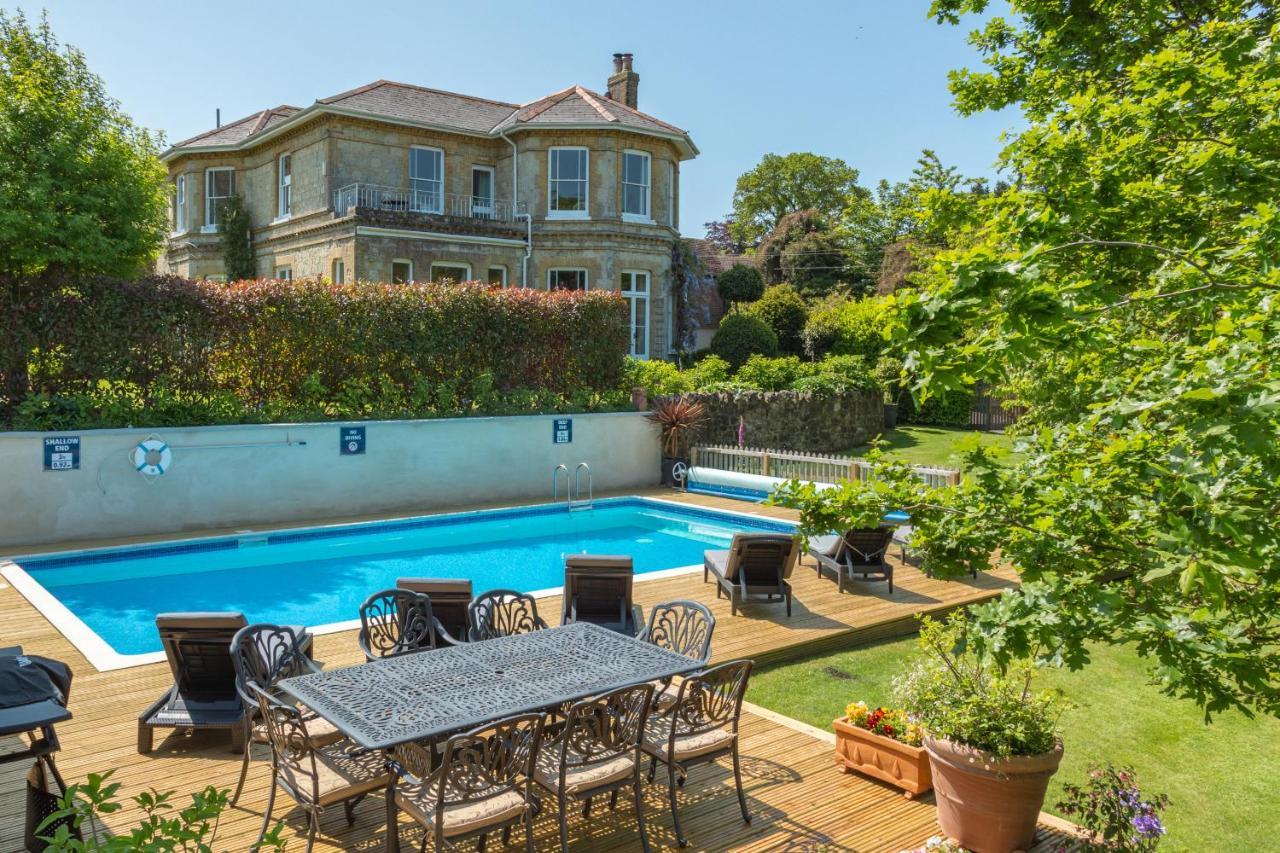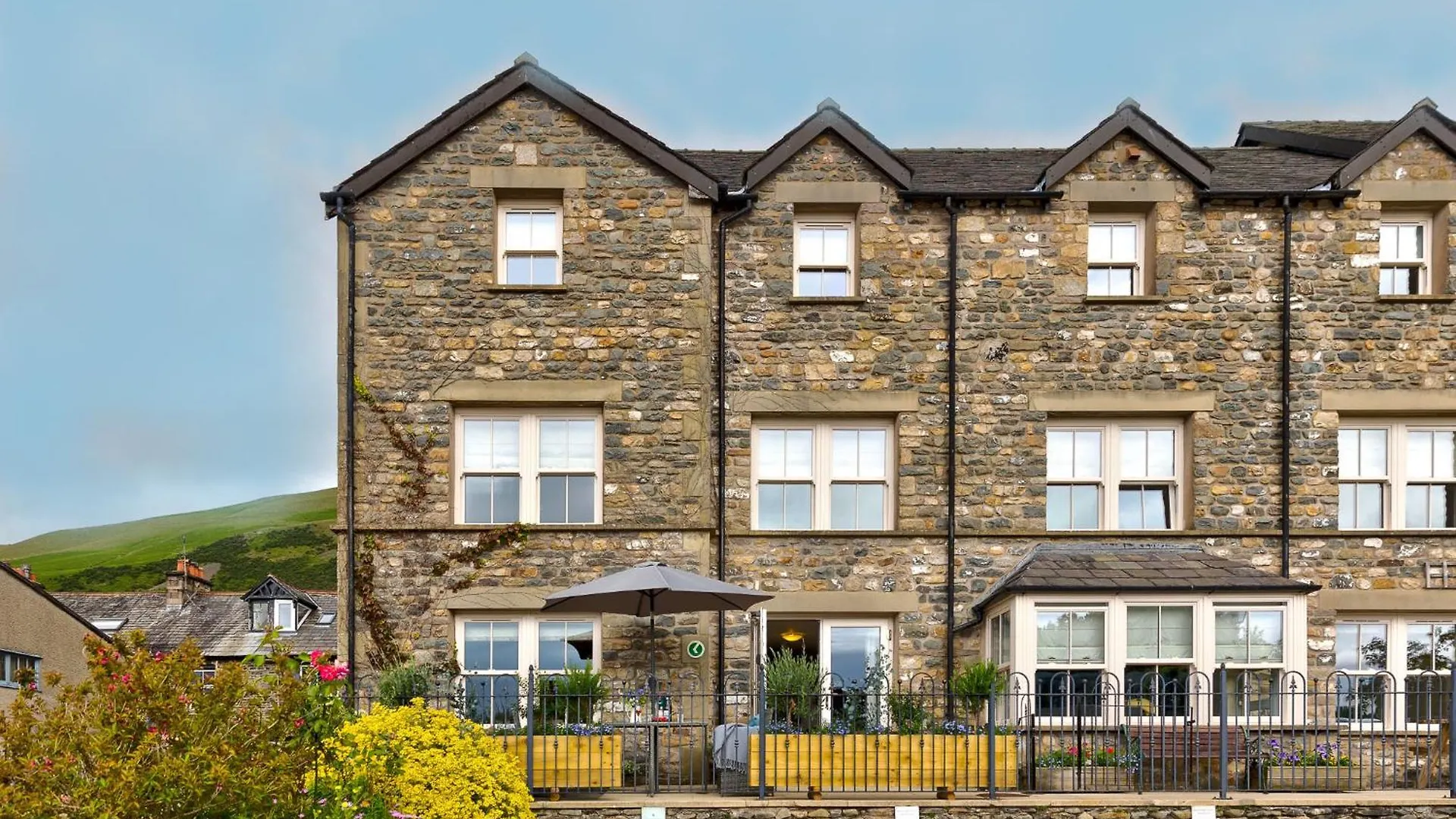
The Lake District is one of England's most geographically diverse national parks, where your hotel's location can make or break the trip. Whether you're based near Wasdale's dramatic fells, Thirlmere's quiet reservoir, or the market town of Sedbergh on the park's eastern edge, proximity to trailheads, lakes, and local villages shapes every day of your stay. These 5 hotels earned strong ratings specifically for their location - meaning guests consistently found them well-placed for the experiences they came for.
What It's Like Staying in the Lake District
The Lake District covers around 912 square miles of Cumbria, ranging from busy tourist hubs like Windermere and Ambleside to remote valleys with almost no infrastructure. Public transport is limited outside the main corridors, so most visitors rely on a car - especially if they want to access places like Wasdale, Thirlmere, or Sedbergh. Crowds are heavily concentrated around Windermere and Grasmere from late spring through summer, while the western and northern areas remain noticeably quieter even in peak season.
This is a destination built for walkers, cyclists, and people who want sustained immersion in upland landscapes. Those staying in peripheral towns get fewer crowds and better access to trails, but trade convenience for dining and shopping options.
Pros:
- Exceptional access to hiking, cycling, and water-based activities across all seasons
- Staying outside Windermere significantly reduces traffic congestion and parking stress
- Village-based properties offer authentic Cumbrian character unavailable in larger resort towns
Cons:
- Without a car, reaching most well-rated location hotels is impractical
- Evening dining options are scarce in remote valleys like Wasdale and Thirlmere
- Mobile signal drops significantly in western and northern parts of the park
Why Choose a Well-Located Hotel in the Lake District
In the Lake District, location rating reflects something very specific: how close a property sits to the trails, water, and landscapes guests actually came to see. A hotel rated highly for location near Wasdale or Derwentwater puts you within minutes of iconic fell starts, rather than a 45-minute drive from a crowded car park. Properties with top location scores here tend to be smaller, independent stays - farm stays, apartments, and small hotels - rather than large chain properties concentrated near Windermere.
Price-wise, well-located rural stays can be more affordable than lakeside hotels in the tourist core. A farm stay or self-catering apartment in Thirlmere or Sedbergh can cost meaningfully less per night than equivalents in Bowness-on-Windermere, while delivering arguably stronger trail and fell access. The trade-off is on-site services - expect fewer amenities at remote, high-location-rated properties.
Pros:
- Direct access to Lakeland fells, lakes, and cycling routes without driving to a trailhead
- Stronger sense of place and local character than hotel-dense tourist zones
- Often more competitive nightly rates than equivalent stays near Windermere
Cons:
- Limited or no on-site restaurant - self-catering or breakfast-only is common
- Fewer options for spontaneous evenings out within walking distance
- Small property sizes mean availability fills quickly, especially in summer
Practical Booking & Area Strategy for the Lake District
The Lake District divides roughly into four practical staying zones: the central tourist corridor (Windermere, Ambleside, Grasmere), the quiet western valleys (Wasdale, Ennerdale), the northern approaches (Thirlmere, Keswick), and the eastern fringes (Sedbergh, Kendal). Sedbergh sits just outside the national park boundary but delivers immediate access to the Howgill Fells and avoids the summer gridlock entirely. For Scafell Pike - England's highest summit - basing yourself near Wasdale is the most logical choice, as the standard route begins directly from Wasdale Head, saving nearly an hour of driving compared to staying in Keswick.
Wigton and Carlisle, in the north, work best as bases for exploring Hadrian's Wall alongside the northern Lake District, but they sit around 45 km from Derwentwater and require driving for every lake visit. Book at least 8 weeks ahead for summer weekends at any well-rated rural property - these small-inventory stays sell out faster than large hotels, and last-minute availability near peak summer is rare. For spring hiking or autumn colour, late April or October offer the best balance of trail conditions, lower prices, and manageable crowds.
Best Value Stays
These properties offer strong location ratings at accessible price points, with self-catering or hostel-style formats that suit walkers, cyclists, and independent travellers looking to spend more time on the fells than in a dining room.
-
1. Howgills Apartments
Show on map


 Check-infrom 16:00 until 23:59Check-outuntil 10:00
Just a few rooms left at the best rate!
from£ 236
-
2. Yha Wasdale Hall
Show on map


 Check-infrom 17:00 until 22:00Check-outfrom 08:00 until 10:00
Just a few rooms left at the best rate!
from£ 111
-
3. Stybeck Farm
Show on map


 Check-infrom 16:00 until 19:30Check-outfrom 06:00 until 10:00
Hurry – almost gone at this price!
from£ 122
Best Premium Stays
These properties combine well-rated locations with fuller service offerings - on-site restaurants, bars, and structured breakfast - suited to travellers who want comfort and convenience alongside their Lake District base.
-
4. The White Heather Hotel
Show on map


 Check-infrom 15:00 until 22:00Check-outfrom 08:00 until 10:00
Hurry – almost gone at this price!
-
2. The Fleece At Ruleholme
Show on map


 Check-infrom 15:00 until 23:59Check-outuntil 11:00
Rooms filling fast – secure the best rate!
from£ 143
Smart Travel & Timing Advice for the Lake District
The Lake District sees its busiest period from late July through August, when the main valleys around Windermere and Grasmere become genuinely congested and car parks fill before 9am on sunny days. Properties in Wasdale, Thirlmere, and Sedbergh remain significantly quieter even during this peak window, which is one of the practical arguments for choosing a well-located rural stay over a central tourist hub. Spring - particularly late April through May - delivers the best hiking conditions: paths are drier than winter, wildflowers are visible on the fells, and accommodation prices sit below summer peaks.
October brings dramatic autumn colour to the valley woodlands and is increasingly popular, so booking 6 weeks ahead is still advisable for sought-after rural properties. A minimum of 3 nights is recommended to justify the travel logistics to remote areas like Wasdale - arriving for just one or two nights rarely allows enough time to recover from travel and complete a serious fell walk. Last-minute availability is occasionally possible in November through March, but winter weather closes some high routes and access roads, limiting the experience for non-winter walkers.