Staying near the London Eye puts you in one of the most visited corridors in Europe, with the South Bank, Westminster Bridge, and the Tate Modern all within walking reach. This guide covers four well-positioned 3-star hotels near the London Eye, breaking down real distances, transport access, and what each property actually delivers - so you can book with confidence rather than guesswork.
What It's Like Staying Near the London Eye
The area around the London Eye sits on the South Bank of the Thames, one of London's most pedestrianised and tourist-dense zones. Southwark and Lambeth border this stretch, meaning you get cultural density - the National Theatre, Waterloo Station, and Borough Market - compressed into a walkable radius. The rhythm here is fast during the day and surprisingly lively at night, with the riverside promenade active well into the evening.
Waterloo Station, around 10 minutes on foot from the Eye itself, is one of the busiest rail hubs in the UK, connecting you to the Overground, Tube (Jubilee and Northern lines), and National Rail. Most 3-star hotels near the London Eye are not directly on the South Bank but rather in adjacent zones like Vauxhall, Oval, Kennington, or across the river in Westminster - all within around 20 minutes by public transport. That trade-off is worth understanding before booking.
Pros:
- Waterloo Station connects you to the Tube, Overground, and National Rail - one of the best-connected hubs in London
- The South Bank riverside walk links major landmarks without needing transport
- Evening atmosphere on the South Bank remains active, making late arrivals or early departures manageable
Cons:
- Hotels directly beside the London Eye carry a significant location premium - budget and mid-range options require a short commute
- Weekend foot traffic on the riverside can make the area feel congested, especially between April and October
- Noise from street performers and tourist crowds peaks mid-afternoon along the Jubilee Walkway
Why Choose a 3-Star Hotel Near the London Eye
3-star hotels in the London Eye catchment area offer a functional, no-frills base that prioritises connectivity over luxury finishes. Rates average around 40% lower than 4-star equivalents in the same zones, which matters significantly in a city where nightly hotel costs consistently exceed European averages. What you lose in room size - standard rooms in London's 3-star segment often run under 18 square metres - you typically offset with included Wi-Fi, 24-hour reception, and proximity to Tube lines.
In this specific zone, 3-star properties tend to be housed in Georgian terraces or converted period buildings rather than purpose-built towers, which affects noise insulation and corridor width. The trade-off is character versus uniformity. Breakfast inclusion varies significantly by property, so checking whether it's bundled matters more here than in city-centre zones where café options are denser. For travellers focused on sightseeing output rather than in-room time, 3-star hotels near the London Eye represent a logical spend-down choice.
Pros:
- Substantially lower nightly rates than 4-star options in Southwark or Waterloo, freeing budget for experiences
- 24-hour front desks are standard across this category, supporting flexible check-in around flight or train schedules
- Properties in this tier typically sit within 2-3 Tube stops of the London Eye, keeping transit times short
Cons:
- Room sizes in London's 3-star segment are notably smaller than equivalent categories in other European capitals
- Soundproofing in Georgian-era buildings can be inconsistent, particularly on lower floors facing busy roads
- On-site amenities - gyms, pools, room service - are largely absent at this price tier near the Eye
Practical Booking & Area Strategy
For 3-star hotels near the London Eye, the most practical positioning falls into two tiers: close vicinity (walking access) covers the South Bank itself, Waterloo, and Lambeth North - all reachable on foot in under 20 minutes from the Eye; easy access extends to Oval, Kennington, Paddington, and Kensington, each within 3-4 Tube stops. Streets like Kennington Road and Harleyford Road in Lambeth offer quieter positioning than the riverside without adding meaningful transit time.
The London Eye draws its largest crowds between July and September, with Easter weekend and the Christmas market period also generating sharp demand spikes. Book at least 6 weeks ahead for summer travel to secure better rates at 3-star properties - last-minute availability exists but typically at inflated prices. Beyond the Eye itself, the surrounding area loads up quickly with adjacent draws: the SEA LIFE London Aquarium sits directly next to it, the Tate Modern is a 15-minute walk east, and the Churchill War Rooms are across Westminster Bridge. Staying near Oval or Vauxhall gives Tube access to all of these in under 10 minutes while keeping nightly costs lower than South Bank-adjacent options.
Best Value Stays
These properties offer strong transport connectivity to the London Eye at rates that sit below the South Bank premium, making them a practical choice for travellers prioritising budget control without sacrificing accessibility.
-
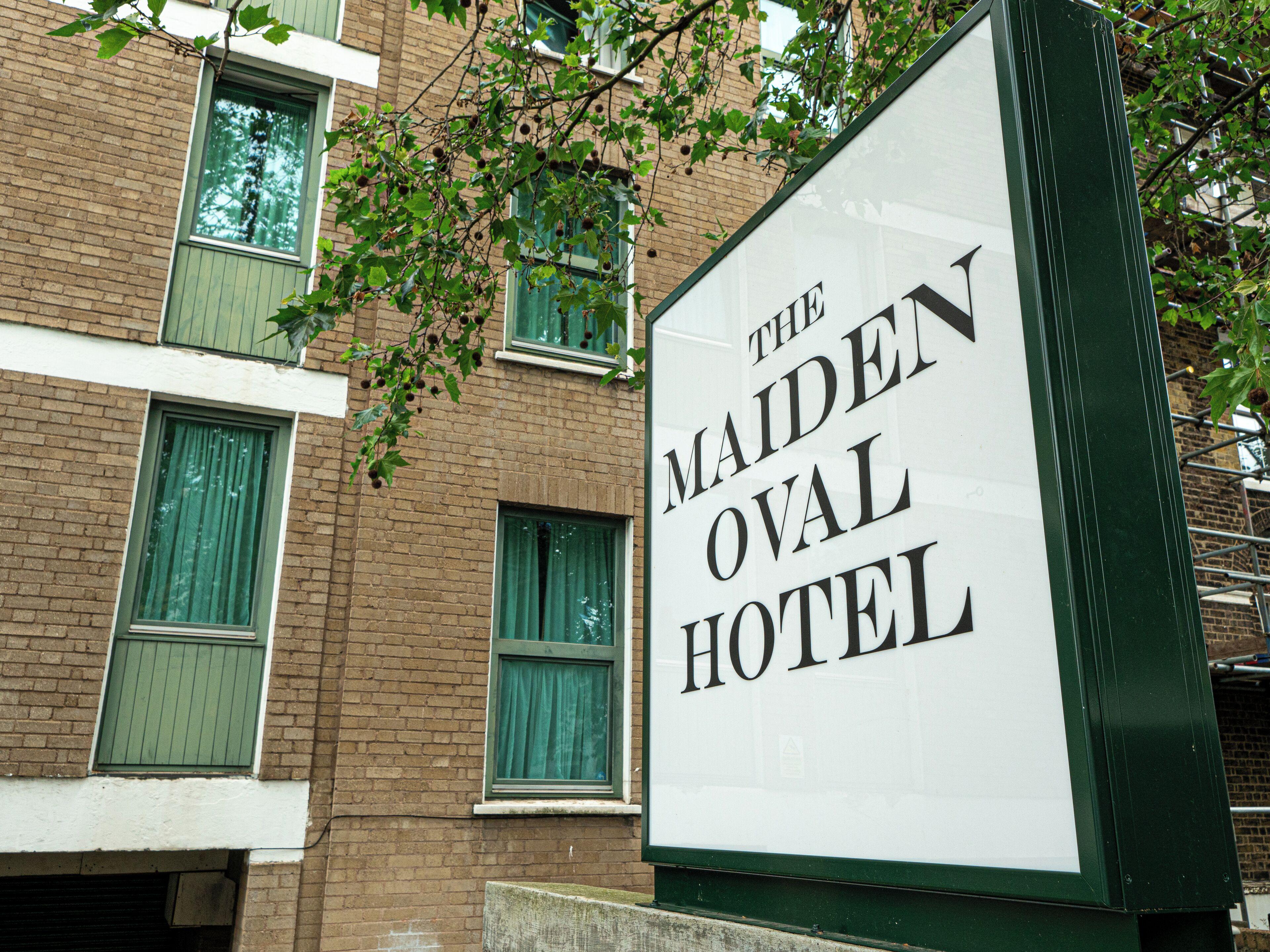
1. Maiden Oval
Show on map


 Check-infrom 13:30 until 23:59Check-outuntil 10:00
Just a few rooms left at the best rate!
from£ 56
-
2. Dreamtel London Kensington
Show on map


 Check-infrom 14:00 until 23:59Check-outuntil 11:00
Hurry – almost gone at this price!
from£ 72
Best Premium Stays
These properties offer stronger on-site facilities, better-connected locations, or both - suited to travellers who want more from their base than pure transit efficiency.
-
3. Days Inn Hyde Park
Show on map


 Check-infrom 14:00 until 23:59Check-outuntil 11:00
Rooms filling fast – secure the best rate!
from£ 50
- Show on map
Best price guarantee
Smart Timing & Booking Advice for the London Eye Area
The London Eye operates year-round but draws its sharpest visitor peaks between late July and early September, when South Bank hotel occupancy frequently hits capacity and 3-star rates near Waterloo and Lambeth climb noticeably. April through early June offers the strongest balance of decent weather, manageable crowd levels, and more competitive nightly rates - a window worth targeting if flexibility exists. December brings a secondary surge driven by the South Bank Christmas market and winter attractions along the riverside, so treat it as a peak period for pricing purposes.
For 3-star hotels in zones like Oval, Kensington, or Paddington - which sit 15-25 minutes from the Eye by Tube - the rate difference versus South Bank-adjacent stays can justify the slight transit overhead across a multi-night trip. Booking 6 weeks ahead for summer and Christmas periods is a reliable baseline; January and February remain the quietest months, with last-minute availability common and rates at their annual low. A stay of 3 nights is the practical minimum to absorb transit times and visit the Eye alongside adjacent attractions like the Tate Modern, Southwark Cathedral, and Westminster without feeling rushed.